A Classic 1928 Cartoon Refreshed for the 21st Century
Disney's Steamboat Willie gets a modern overhaul

Author Name
Scott Winters
Thursday, August 6, 2026
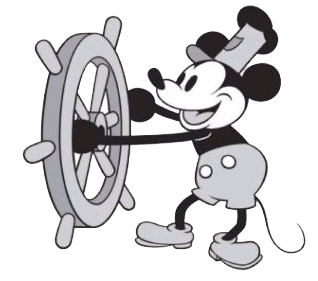
An American Cultural Icon
They say necessity is the mother of invention. In this story that old adage will ring true two times in two different centuries.
In 1928, Walt Disney was trying to find his big break in creating cartoon shorts. His 'Oswald the Lucky Rabbit' character had seen some success, but Universal owned the rights to Oswald and Disney felt cut out financially. He secretly worked with animator and film director, Ub Iwerks, and a small team to develop a new character they named Mickey Mouse. Eager to out-do Universal and impressed by his viewing of the 1927 film "The Jazz Singer," Disney decided to add a synchronized sound track to the first Mickey Mouse cartoon.
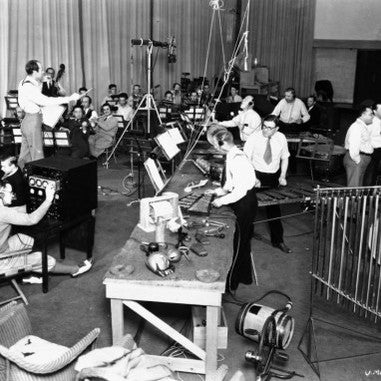
The sound stage recording session for "Steamboat Willie" (1928)
The rest is history. Mickey Mouse premiered in a cartoon called "Steamboat Willie" in NYC in 1928 and was an instant hit. Ub and Walt went on to create the "Silly Symphonies" series, and Walt Disney Studios has since brought us "Snow White" and dozens of other animated films loved by generations of children - and adults.
Walt needed to find a way to make money doing what he loved. The result was a little cartoon mouse that became a cultural icon.
Public Domain and the Creative Process
Since 1928 the Disney Corporation has understandably protected Mickey and its other IP assets through copyright laws. Ironically, much of the Disney catalog is built on stories from centuries before that have fallen into the public domain. From "The Little Mermaid" to "Frozen", Disney has done good business re-telling stories by Hans Christian Andersen and others.
But Mickey and the rest of the Disney cast of characters have been locked behind copyright since their first appearances. On January 1, 2024 all that changed. On that date Disney's historic cartoon "Steamboat Willie" entered the public domain, making the first iteration of the Mickey Mouse character available to creative voices that want to build on the art and the stories.
Ion Concert Media: The Cycle Repeats
Ion Concert Media has been building a library of synchronized content for live performances since 2015. We have kept our eyes open for opportunities to present products with well-known characters and iconic content. Knowing that "Steamboat Willie" is now the first Disney asset to enter the public domain and recognizing that it will celebrate its 100th birthday in two short years, we set out to create something unique and meaningful built on the classic cartoon left to us by Walt and Ub.
We certainly do not expect to create a new cultural icon like Mickey Mouse, but it sure feels like walking in the footsteps of Walt himself - seeking a way to find success doing what we love and taking a risk on a new idea to make it happen. And that is the story of how the Steamboat Willie consortium came to be.
About The Project
Our goal was to take a historically and artistically important cartoon from 1928 and refresh it for the 21st century. We felt that the original Steamboat Willie orchestral score was dated and the synchronized sound effects - which made such a splash at the premiere in 1928 - were in need of clean-up and remastering. But more than anything else, we wanted to create a version of the cartoon that could be presented as part of a live concert event; not viewed on YouTube or another streaming service. The final product will be presented on stage with a concert band or orchestra playing the score live in synchronization with the film and sound effects.
We organized a commissioning consortium to help fund the project and brought on composer Harrison J. Collins to re-imagine the score. To date, nine ensembles from across the country have joined the consortium (which is still open to new members) to help make the project a reality.
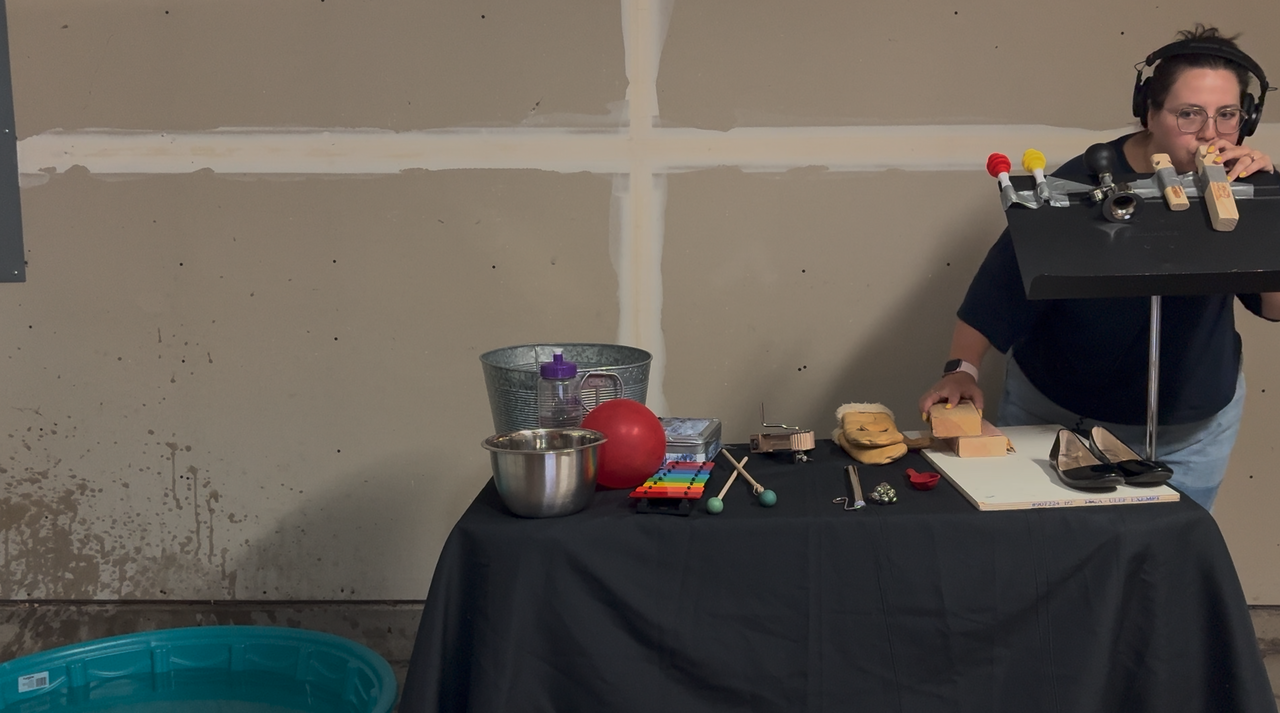
Ion team member Erin Paul working to create a Foley artist system to produce the cartoon sound effects live on stage.
We are making great progress. What's more: it is becoming clear that the end result may well be more impactful than we had hoped at the start. The film has been remastered in 2k resolution to improve the audience viewing experience. Collins's score is not just a re-hash of the 1928 sound track; it uses the original source melodies but places them into a completely modern and engaging arrangement dripping with cinematic drama, creativity and outright fun. (did you know a band or orchestra can make chicken and cow sound effects?!?).
We retained most of the character voices from the original cartoon - all of which were recorded in Walt Disney's own voice. We cleaned them up and re-inserted them to be delivered as part of the audio mix on stage. Then we re-created all the other sound effects using elements from modern sound libraries. All the sound effects are divided into specific groupings and each group can be mixed or muted depending on the particular production and needs of the ensemble.
And then we set out to create a part for a live Foley artist. Ensembles that produce the work can optionally mute most of the sound effects in the track and instead place a Foley artist out in front of the ensemble to perform the sound effects live. As a result, one conductor who reviewed the score described the project as a "percussion concerto for Foley artist."
When we set out on this journey we had a few guiding principles. First, we wanted to respect the work of Walt and Ub and the other animators who created the cartoon. Next, we wanted to apply our own creativity to enhance the entertainment value of the film. There is no question the cartoon is historically and artistically important, and by converting it to an engaging live event production we hope to restore the smiles and wonderment the film must have elicited from its first audiences in 1928.
We believe we are well on our way achieving our goals. And we can't wait to share "Steamboat Willie: LIVE!" with you!
"Steamboat Willie: LIVE!" is set to premiere in late October or early November 2026. The commissioning consortium is still open to ensembles that want to help make this project a reality. Consortium members will have exclusive performance rights through the end of 2027, after which it will be available to the public.